Premium Timothy Hay Supplier and Exporter for Worldwide Feed Markets
Premium forage is a key component in horse nutrition, livestock feeding and commercial animal feed programmes. For global buyers requiring consistent grass forage, working with an experienced timothy hay supplier can support consistency across procurement, grading, compression, packing and export preparation. Timothy hay is widely recognised for its structural fibre, palatability, long stems and suitability for many feeding programmes. A professional timothy hay exporter can support importers, feed distributors, equestrian operations, dairy businesses and livestock companies that need bulk volumes of properly selected forage. Buyers purchasing through a Timothy hay wholesale supplier may also gain from multiple grades, bale configurations and ongoing container supply programmes. As the need for quality forage continues across overseas agricultural markets, sourcing suitable forage requires proper evaluation of colour, moisture, maturity, texture, cleanliness, nutritional characteristics and consistency.
Understanding the Characteristics of Timothy Hay
Timothy hay is harvested from Phleum pratense, a perennial cool-season grass commonly recognised as a useful forage crop. It is commonly fed to horses and can also be incorporated into well-planned feeding programmes for cattle and other livestock. When compared with nutrient-rich legume forage such as alfalfa, Timothy is typically associated with a grass-hay nutritional profile and useful structural fibre. Its characteristics may differ according to cultivation conditions, harvest maturity, cutting, storage and processing methods. Global buyers therefore typically evaluate separate lots rather than expecting that every Timothy crop will provide uniform characteristics. A capable timothy hay supplier can support buyers in choosing forage according to their intended market and quality expectations.
Key Characteristics of Premium Timothy Hay
High-quality forage is generally evaluated through a range of physical, visual and nutritional qualities. Desirable Timothy hay may display an attractive natural green colour, desirable leaf retention, long stems, a well-presented appearance and a appealing forage aroma. Moisture control is critically important when hay will be compressed and shipped over long distances. Buyers may also evaluate maturity, stem texture, seed-head development, dust, visible foreign material and overall bale consistency. A Premium Timothy Hay Exporter & Supplier should recognise that agricultural products can naturally vary between fields, harvest periods and growing seasons. Therefore, shipment-specific evaluation and analysis can provide buyers with more practical information than broad quality descriptions alone.
Choosing Timothy Hay Grades for Different Markets
Bulk Timothy programmes may provide several grades suited to specific customer requirements. Supreme selections can emphasise high-quality colour, desirable texture, excellent leaf retention and high-end visual qualities for demanding equestrian and speciality feed markets. Quality premium selections can deliver a practical combination of appearance, feeding value and commercial value. Other market-focused grades may be suitable for livestock and dairy operations where consistent forage characteristics and commercial value are highly important. An experienced timothy hay wholesale supplier can review the available crop and support commercial buyers identify a grade aligned with their customers, intended animals and budget rather than using a standard specification to every order.
Premium North American Timothy Hay for Global Markets
Premium North American Timothy Hay for International Markets is requested by buyers who prioritise experienced forage-production expertise and high-volume processing. Suitable growing regions can provide cool conditions, productive agricultural soils and experienced forage producers capable of managing harvesting and storage carefully. Modern agricultural machinery also supports efficient cutting, baling and handling. However, geographical origin alone does not guarantee quality. Weather during harvest, plant maturity, moisture, storage conditions and processing all influence the finished product. Professional sourcing therefore involves evaluating individual lots and matching available forage with timothy hay supplier the buyer's specifications.
Timothy Hay for Equine Feeding
Timothy is particularly recognised within equestrian feeding because horses benefit from appropriate forage and fibre as part of an well-balanced diet. Well-selected Timothy can offer long-stem roughage while offering the familiar characteristics associated with grass hay. Different horses have different nutritional needs depending on their age, activity, body condition and broader feeding programme, so no particular forage should be regarded as universally suitable. Commercial equestrian buyers often consider cleanliness, consistency, palatability, texture and nutritional analysis when ordering shipments. A professional timothy hay exporter can support distributors and equestrian businesses by sharing information about current grades and lot characteristics before orders are finalised.
First-Cut and Second-Cut Timothy
Harvest timing can shape the texture and structure of Timothy hay. First-cut forage commonly contains longer stems, more prominent seed heads and a relatively coarse structure. These features may suit customers requiring classic long-stem Timothy and substantial structural fibre. The second cutting can sometimes offer finer stems, softer texture and increased leaf content, although actual characteristics remain subject to growing and harvest conditions. Neither cutting should automatically be viewed as superior for every buyer. The best-suited selection depends on the specific feeding programme, customer expectations, availability and individual lot quality. An knowledgeable timothy hay supplier can support commercial purchasers evaluate these differences when considering available inventory.
Double-Compressed Timothy Hay for Export
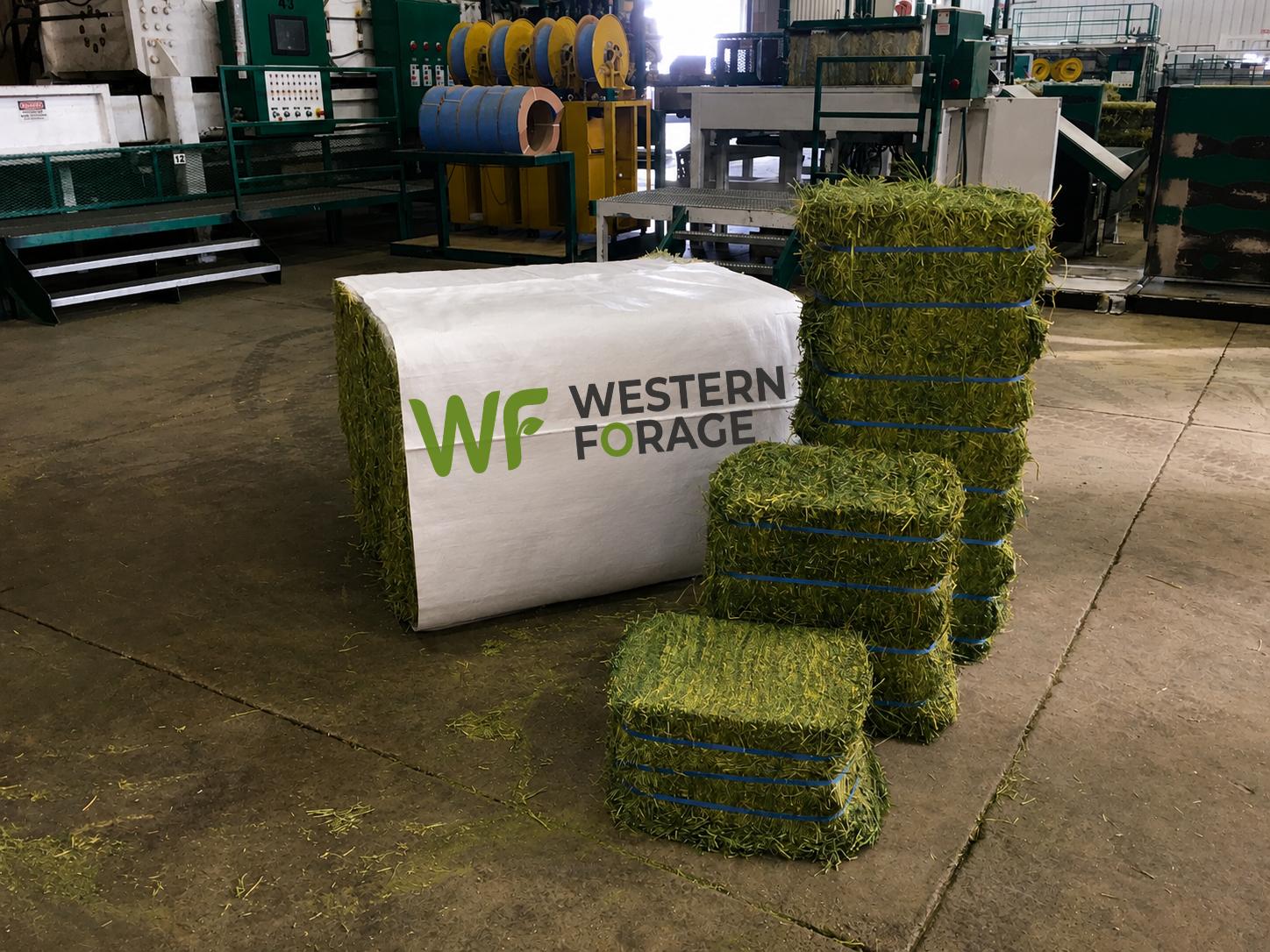
Efficient transportation is an essential consideration in overseas forage trading because conventional field bales require considerable space. Double compression decreases bale volume and can enhance container utilisation while maintaining a usable commercial forage format. Full-cut compressed bales can retain longer forage lengths, while half-length configurations can offer simpler handling for feed distributors, retailers and equestrian facilities. Bulk formats may also suit commercial livestock operations. Bale dimensions, density, moisture and packaging all influence the practical loading configuration. Export preparation should therefore consider both product quality and transport efficiency rather than focusing exclusively on the hay itself.
Timothy Hay Quality Control and Laboratory Analysis
A dependable timothy hay wholesale supplier should treat quality evaluation as an important part of wholesale forage handling. Assessment may evaluate colour, moisture, visible mould, foreign material, leaf retention, maturity, stem quality, bale integrity and reasonable consistency across the chosen lot. Forage testing can supply more detailed information about characteristics such as moisture, crude protein, acid detergent fibre and neutral detergent fibre. Results inevitably vary because forage is an agricultural product influenced by growing conditions and harvest timing. Buyers with particular nutritional targets should therefore communicate their requirements before ordering so that suitable available lots can be evaluated against those expectations.
Timothy Hay Export Preparation and Documentation
Cross-border forage transactions include more than selecting and processing hay. Shipments may require commercial documentation, packing information, transport records, origin documentation, inspections and plant-health certification depending on the destination and applicable regulations. Requirements can differ substantially between markets and may change over time. A professional timothy hay exporter coordinates with growers, processors, warehouses, freight specialists, inspection parties and commercial buyers to support an organised shipment process. Importers should also confirm their current agricultural, quarantine and customs requirements before committing to a shipment, particularly when defined certificates, inspections or treatments are necessary.
Commercial Bulk Timothy Hay Supply
Bulk forage exports are highly relevant to importers, feed wholesalers, equestrian distributors, horse farms, livestock businesses, agricultural cooperatives and animal nutrition companies. These buyers may need anything from an introductory trial container to recurring monthly supply programmes. Long-term purchasing arrangements can benefit from detailed communication regarding preferred grade, bale format, destination, volume, specifications and documentation requirements. Since crop conditions and transportation costs can fluctuate, availability and commercial terms may also differ between purchasing periods. Working with an organised Premium Timothy Hay Exporter & Supplier allows buyers to manage procurement as an long-term supply programme rather than simply purchasing an one-off agricultural commodity.
Summary
Timothy hay continues to be an important grass forage for worldwide equestrian, livestock and commercial feed markets. Working with a reliable timothy hay supplier requires proper evaluation of sourcing, grading, moisture, cleanliness, nutritional characteristics, compression and shipment preparation. An professional timothy hay exporter can also help commercial buyers organise product selection and export requirements, while a reliable timothy hay wholesale supplier can facilitate higher volumes and regular supply programmes. By assessing each crop and lot according to its actual characteristics, buyers can source Timothy hay that more closely suits their feeding applications, market expectations and commercial requirements.
Comments on “Trending Useful Information on timothy hay supplier You Should Know”